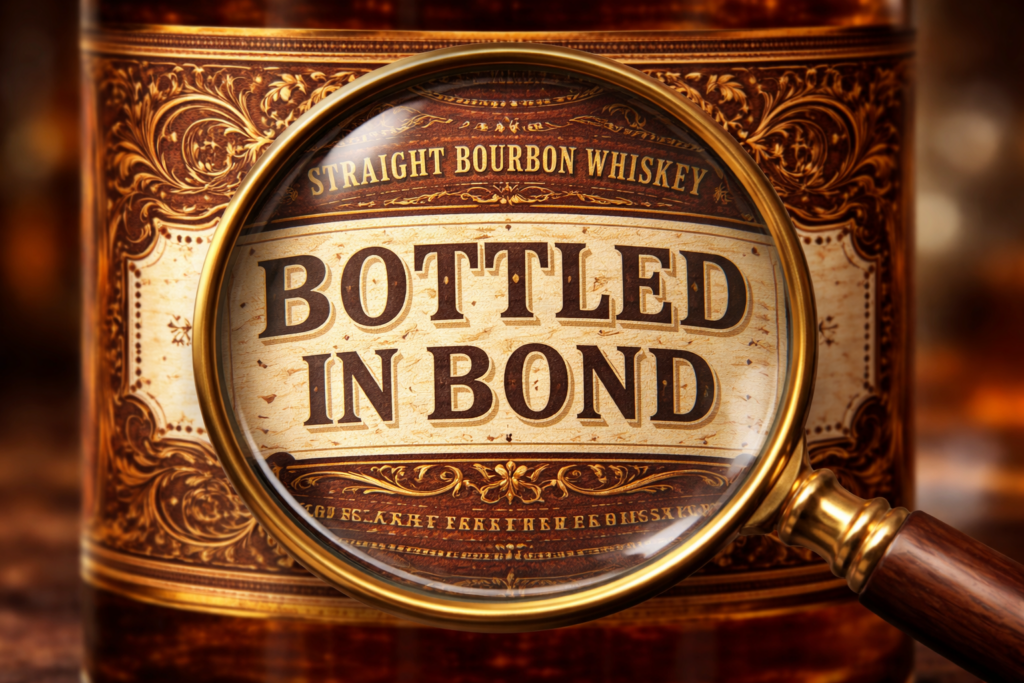
If you’ve spent any time in the bourbon aisle, you’ve likely seen the phrase Bottled in Bond stamped proudly on some labels. It sounds official and important, and that’s because it is. Bottled-in-Bond isn’t a marketing term or a style choice; it’s a legal designation rooted in American history, quality standards and consumer protection.
And it was championed by industry leaders, most notably Col. E.H. Taylor and James E. Pepper.
A Law Born Out of Necessity and Safety
To understand Bottled-in-Bond bourbon, you have to go back to the late 1800s. At that time, the American whiskey industry was largely unregulated. Unscrupulous producers and rectifiers often added awful things to their whiskey, which ranged from neutral grain alcohol and artificial coloring to tobacco spit and even worse. Consumers basically had little idea what was actually in their bottle.
In response, the U.S. government passed the Bottled-in-Bond Act of 1897, one of the earliest consumer protection laws in the country. This law actually came out nine years before the Pure Food & Drug Act, which established the Food & Drug Administration (FDA), in 1906.
But back to bourbon. The goal of the Bottled-in-Bond Act was simple: guarantee authenticity, quality and consistency in American whiskey and bourbon. It was signed by President Grover Cleveland on March 3, 1897, making it a significant achievement before his term ended.
The Four Requirements of Bottled-in-Bond
For a bourbon (or any American whiskey) to carry the Bottled-in-Bond designation, it must adhere to four rules:
- One distiller, one distillery
The whiskey must be produced by a single distiller at a single distillery. No blending from multiple sources. - One distilling season
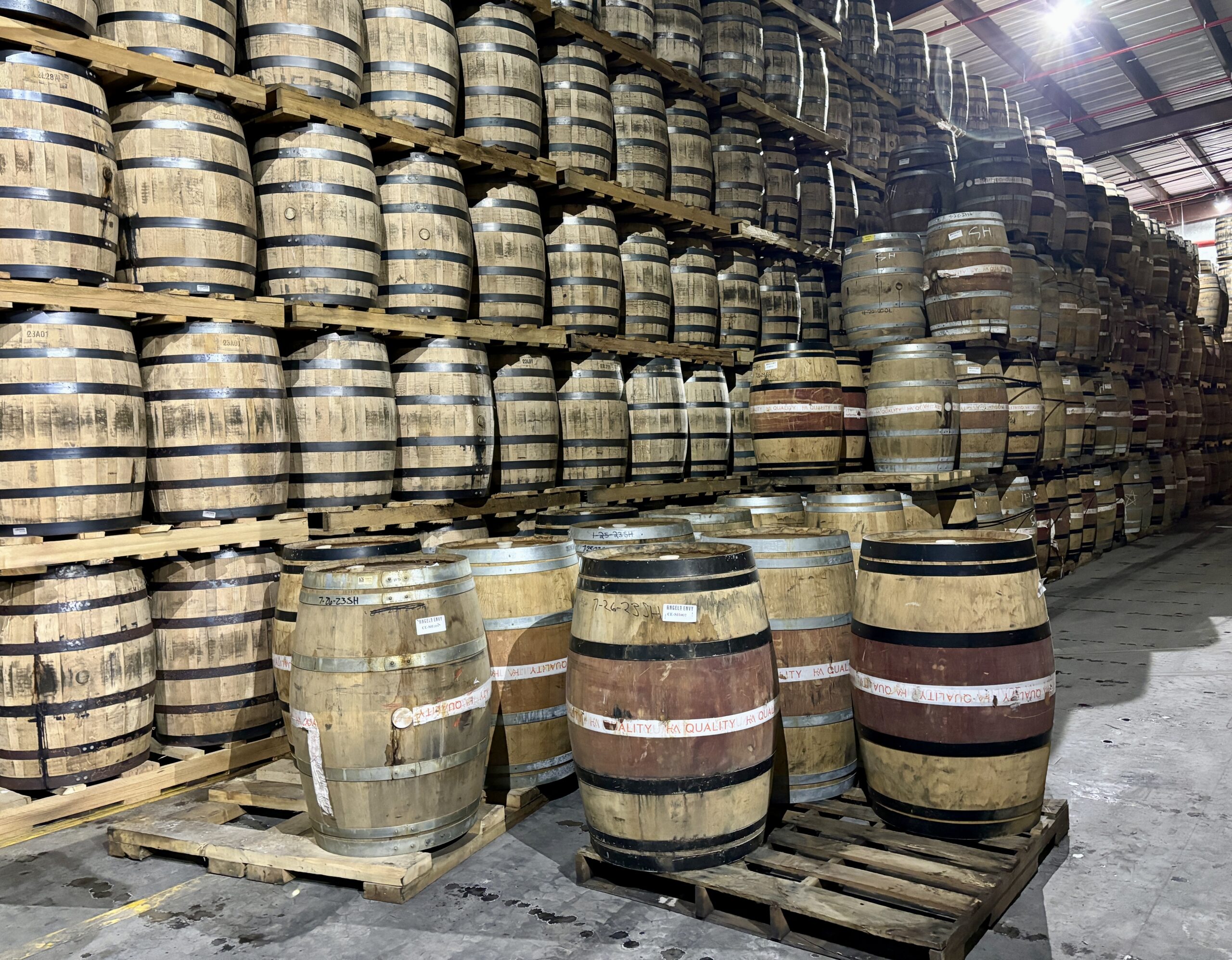
It must be distilled during either one spring season (January-June) or one fall season (July-December) of a single year. - Aged at least four years in a federally bonded warehouse
The whiskey must mature under government supervision, ensuring transparency and accountability, for at least four years. - Bottled at exactly 100 proof (50% ABV)
No more, no less. This requirement gives Bottled-in-Bond bourbons their signature boldness.
Additionally, the label must clearly state the distillery where it was made and, if different, where it was bottled.
Why 100 Proof?
The mandated 100 proof isn’t just a number — it plays a major role in the character of Bottled-in-Bond bourbon. At this strength, flavors tend to be more pronounced and structured, offering a fuller mouthfeel and a longer finish. Many enthusiasts appreciate Bottled-in-Bond bourbons because they strike a balance between intensity and approachability.
Whether sipped neat, with a splash of water or used in classic cocktails like an Old Fashioned or Manhattan, Bottled-in-Bond bourbons hold their own.
A Mark of Transparency and Trust
In a world of increasingly creative whiskey labels, Bottled-in-Bond stands out for its clarity. When you buy a Bottled-in-Bond bourbon, you know exactly what you’re getting — no sourced blends, no finishes, no shortcuts.
That transparency is part of why Bottled-in-Bond has endured for more than a century. It’s not about hype; it’s about standards.
Bottled-in-Bond Today
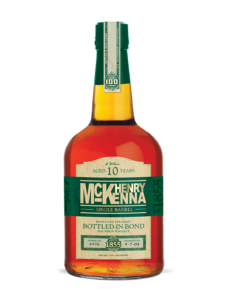
While the designation somewhat fell out of favor during the mid-20th century, it has seen a strong resurgence in recent years. Modern distillers — both heritage brands and craft operations — have embraced Bottled-in-Bond as a way to showcase authenticity and tradition.
Today, Bottled-in-Bond bourbons range from everyday staples to limited releases, offering something for casual drinkers and collectors alike. Some of my favorites include:
- Henry McKenna 10 Year Single Barrel
- E.H. Taylor Small Batch
- Old Fitzgerald Bottled-in-Bond Decanter Series
- Heaven Hill Bottled-In-Bond
- Old Grand Dad 7 Year Bottled-in-Bond
- Angel’s Envy Bottled-in-Bond
- 1792 Bottled-in-Bond
- Evan Williams Bottled-in-Bond
- Bardstown Bourbon Co. Origin Series Bottled-in-Bond
- Old Forester 1897
- Jack Daniel’s Bonded
Is Bottled-in-Bond “Better”?
Not necessarily, but it is different. Bottled-in-Bond doesn’t guarantee you’ll love the whiskey, but it does guarantee a certain level of quality, age, proof and transparency. And that’s what I like. For many bourbon fans, that consistency makes Bottled-in-Bond an easy category to trust and explore.
Final Pour
Bottled-in-Bond bourbon is more than a label — it’s a piece of American whiskey history still alive today. Whether you’re new to bourbon or a seasoned enthusiast, reaching for a Bottled-in-Bond expression is a great way to experience whiskey as it was meant to be: honest, bold and 100 proof.
Next time you’re scanning the shelf in your favorite liquor store, don’t overlook those four simple words. They’ve meant something for over 125 years — and they’re still just as important today.