There’s more to enjoying bourbon than just pouring a glass and taking a sip. From the aroma and color to the flavors that linger long after the last sip, bourbon offers a lot to discover if you know what to look for. The good news? You don’t need to be a master distiller or a certified whiskey expert to appreciate it.
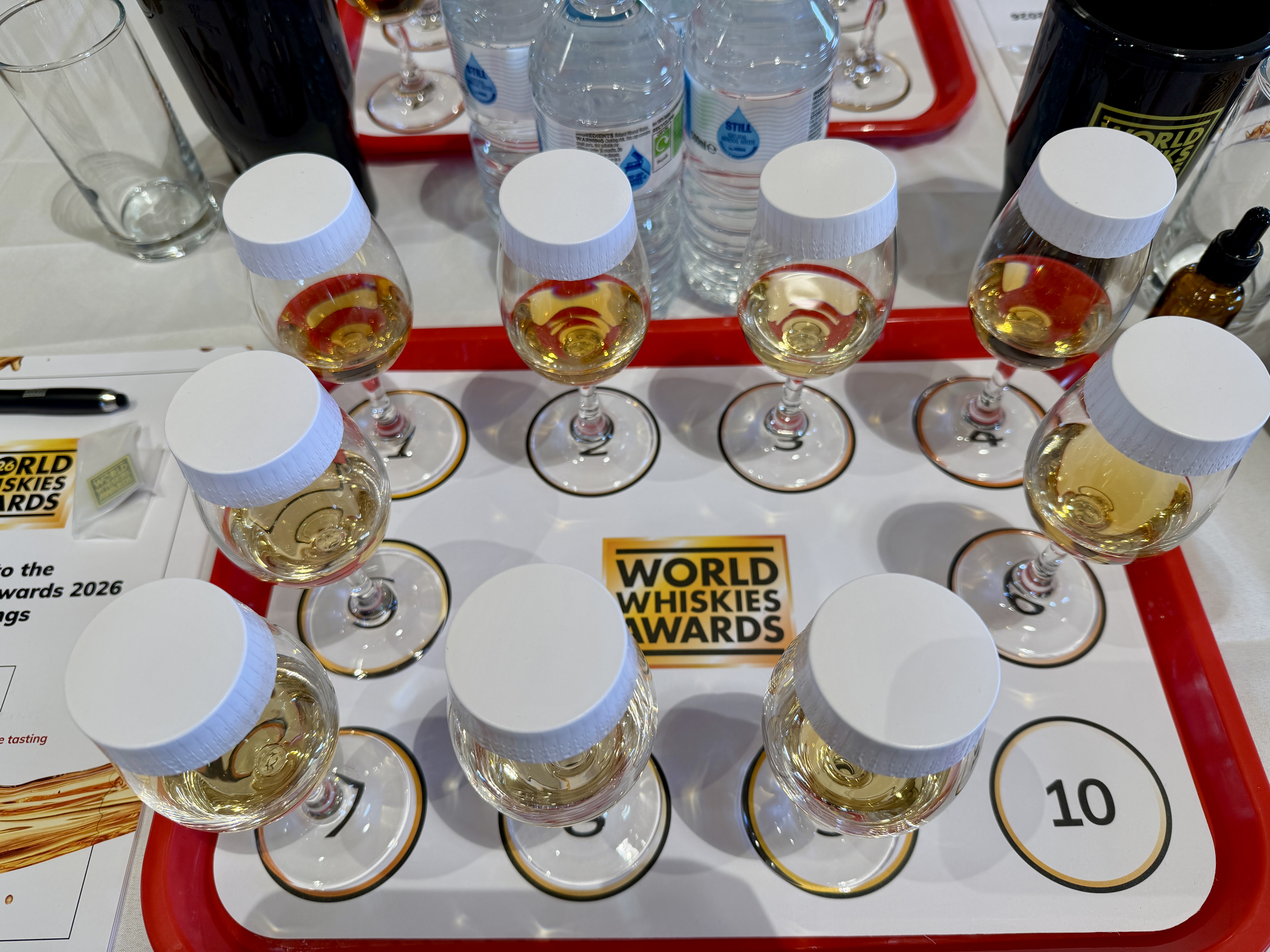
I’ve been entrenched in the bourbon industry for more than 20 years now, and for the last four years, I’ve been fortunate to be a judge for the World Whiskies Awards. So I’ve sipped a lot of whiskey from all over the world, although I’d say my preference is still bourbon. I also write quarterly roundups of all the latest releases for The Alcohol Professor, an online publication on all things spirits.
Whether you’re new to bourbon or have been enjoying it for years, learning a few simple tasting techniques can help you get more out of your relationship with the spirit. Here’s how to taste bourbon like a pro.
Step 1: Take a Look
Before you take your first sip, give your bourbon a good look. Pour it into a glass and observe its color, which can range from pale gold to deep amber and mahogany. Bourbon gets all of its color from aging in new, charred oak barrels. Over time, the whiskey interacts with the wood, extracting color and developing flavors such as vanilla, caramel and spice.
While a darker color can be interesting to observe, it doesn’t necessarily mean the bourbon is older or better. Age, barrel conditions, finishes and other factors all influence the final product.
Pro tip: Gently tilt your glass and watch how the bourbon moves. Its appearance can offer clues about its texture, but color and viscosity alone won’t tell you everything about what’s in the glass.
Step 2: Give It a Nose
One of the most important parts of bourbon tasting happens before you take a sip. Much of what we perceive as flavor comes from our sense of smell, so take a moment to explore the bourbon’s aroma.
Bring the glass toward your nose and inhale gently. Avoid taking a big sniff right away, especially with higher-proof bourbons, as the alcohol can overwhelm your senses. Also, rotate the glass in front of each nostril. You have a dominant nostril, so you may be able to pick up more aromas with one side of your nose vs. the other.
What do you notice? Maybe it’s vanilla, caramel, toasted oak, cinnamon, brown sugar, fruit or even a hint of chocolate. You might pick up several aromas at once, or one distinctive note may stand out. There’s no right or wrong answer. Everyone’s senses are different, and your own experiences can influence what you smell.
Pro tip: Try nosing the bourbon with your mouth slightly open, taking small breaths rather than one deep inhale. You may find it easier to distinguish individual aromas.
Step 3: Take a Small Sip
Now comes the fun part. Take a small sip and let the bourbon move across your palate before swallowing. Known as the “Kentucky Chew,” the idea is to let the bourbon touch every surface of your mouth in order to wake up (or shock) the taste buds.
Pay attention to the flavors that emerge and how they compare with what you noticed in the aroma. Is it sweet, spicy, fruity, smoky, nutty or oaky? Does it remind you of caramel candy, baking spices, ripe apples, toasted nuts or dark chocolate?
Bourbon’s flavor comes from several factors, including its grain recipe, fermentation, distillation, yeast and time spent aging in oak barrels. A bourbon made with more rye in its grain recipe, for example, may have a spicier character, while a wheated bourbon may lean toward softer, sweeter notes. These are general tendencies, not hard-and-fast rules.
Don’t worry about identifying every flavor. Start with the basics: sweet, spicy, fruity or oaky. The more bourbons you taste, the easier it becomes to recognize different characteristics.
Pro tip: Take a second small sip after the first. Your palate may adjust to the alcohol, allowing you to notice flavors that weren’t obvious at first.
Step 4: Feel the Finish

The tasting experience doesn’t end when you swallow. The finish refers to the flavors and sensations that remain in your mouth after you’ve taken a sip.
Some bourbons have a short finish that fades quickly, while others linger with notes of oak, spice, caramel or dark fruit. You may also notice a warming sensation, particularly with higher-proof whiskey.
Think about how the flavors change over time. Does sweetness give way to peppery spice? Does toasted oak linger? Does a fruity note return after the initial sip? The finish is an important part of a bourbon’s overall character and can help you understand what you enjoy most.
Pro tip: Instead of immediately taking another sip, wait a few seconds and notice what remains. Sometimes the most interesting flavors show up after the bourbon has left your palate.
Step 5: Experiment With a Few Drops of Water
If a bourbon tastes particularly intense or the alcohol seems to overpower its other characteristics, try adding a few drops of water. Water can change how bourbon’s aromas and flavors present themselves, sometimes making certain notes easier to detect. The effect varies by whiskey, so start with a little and see what happens.
You can also enjoy bourbon over ice or with just a splash of water if that’s your preference. There is no single correct way to drink it.
Remember, the goal isn’t to follow a rigid set of rules. It’s to find the way you enjoy bourbon most.
Step 6: Find the Right Glass
Glassware can influence your tasting experience, especially when it comes to aroma.
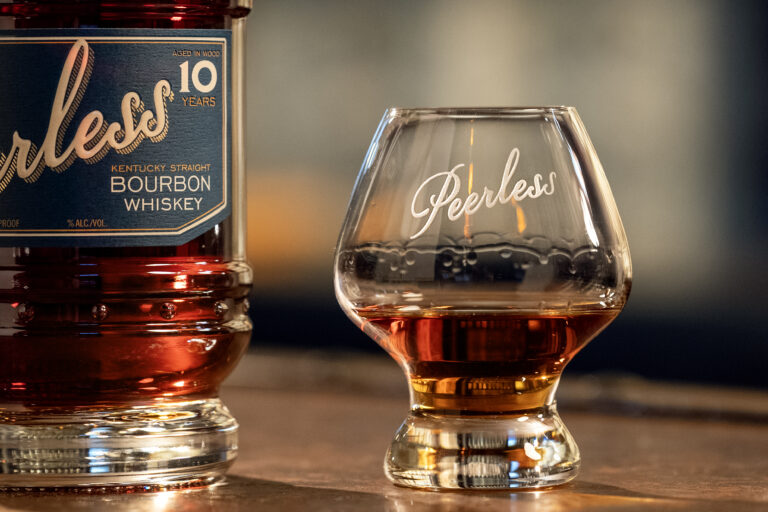
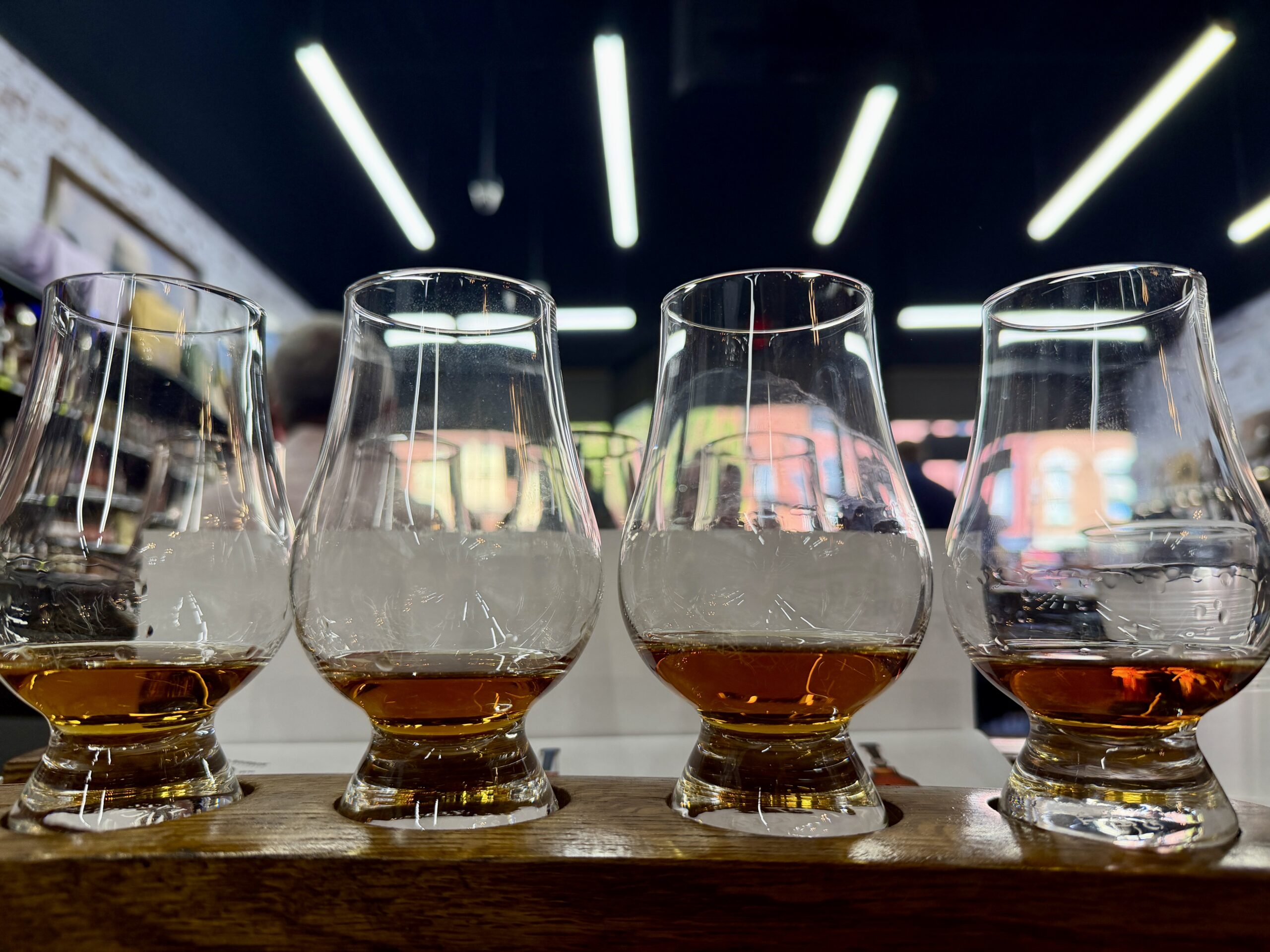
A tulip-shaped tasting glass, such as a Glencairn, is designed to concentrate aromas near the opening, making it a popular choice for whiskey tastings. A rocks glass works just fine, too, particularly if you prefer a wider opening or enjoy your bourbon over ice.
You don’t need expensive glassware to appreciate good bourbon. Choose a glass that feels comfortable and lets you explore the whiskey.
Step 7: Keep Tasting Notes
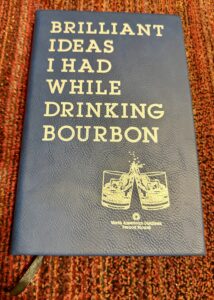
Want to develop your palate? Start keeping track of what you taste.
You don’t need an elaborate journal or a vocabulary worthy of a master distiller. Simply write down the bourbon’s name, proof and a few observations about its aroma, flavor and finish.
For example:
- Aroma: Vanilla, caramel, toasted oak
- Flavor: Brown sugar, cinnamon, baked apple
- Finish: Warm, with lingering oak and spice
- Overall impression: Rich and sweet with a spicy finish
Over time, you’ll begin to recognize patterns in the bourbons you enjoy. You might discover that you gravitate toward sweeter wheated bourbons, higher-proof pours or whiskeys with pronounced oak and spice.
And don’t be afraid to use your own descriptions. If a bourbon reminds you of your grandmother’s apple pie or a caramel candy from childhood, that’s a perfectly valid tasting note.
Step 8: Keep on Tastin’
One of the best ways to learn about bourbon is to compare different styles side by side.
Try a small tasting flight featuring three bourbons with different characteristics. You might choose a wheated bourbon, a rye-forward bourbon and a higher-proof expression. Taste them one at a time, paying attention to how their aromas, flavors and finishes differ. Comparing them can help you identify characteristics you might not notice when tasting a single bourbon on its own.
For the fairest comparison, use similar pour sizes and the same type of glass, and taste the bourbons under similar conditions. If you’re hosting a tasting, provide water and allow everyone to go at their own pace.
The Most Important Rule of Bourbon Tasting
Here’s the secret every bourbon beginner should know: You don’t have to taste bourbon like anyone else. There are no wrong answers. Your palate is different than my palate, so just because you’re not tasting Cinnamon Toast Crunch on the finish does not mean you’re doing it wrong.
You may pick up vanilla when someone else detects butterscotch. You might love a bourbon that someone else doesn’t care for. That’s part of what makes whiskey tasting so interesting. The more you explore, the more you’ll learn about your own preferences and the many characteristics that make bourbon unique.
So pour a small glass, take your time and pay attention to what’s in front of you. With a little practice, you’ll be tasting bourbon with more confidence in no time.