Bourbon has long been celebrated for its rich flavors of caramel, vanilla, oak and spice. Traditionally, these flavors develop during years of aging in new, charred oak barrels, but in recent years, a growing number of distillers have embraced an additional step in the maturation process: barrel finishing.
Finished bourbons have become one of the most exciting categories in American whiskey, offering connoisseurs a chance to experience familiar bourbon flavors through an entirely new lens.
What is a Finished Bourbon?
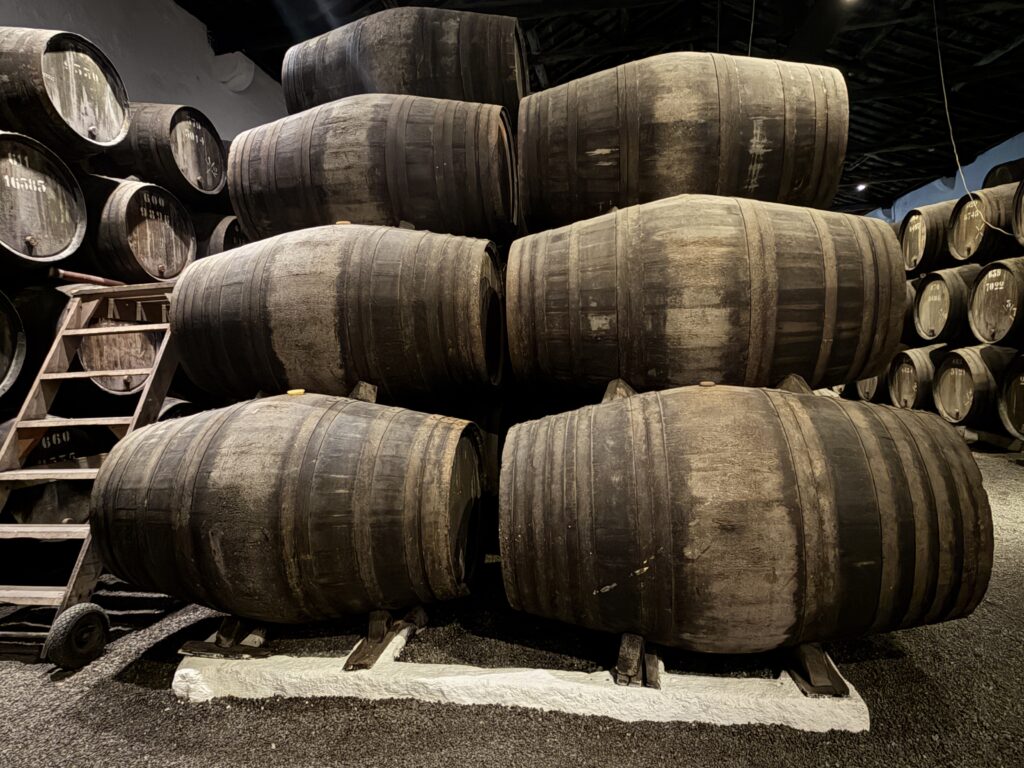
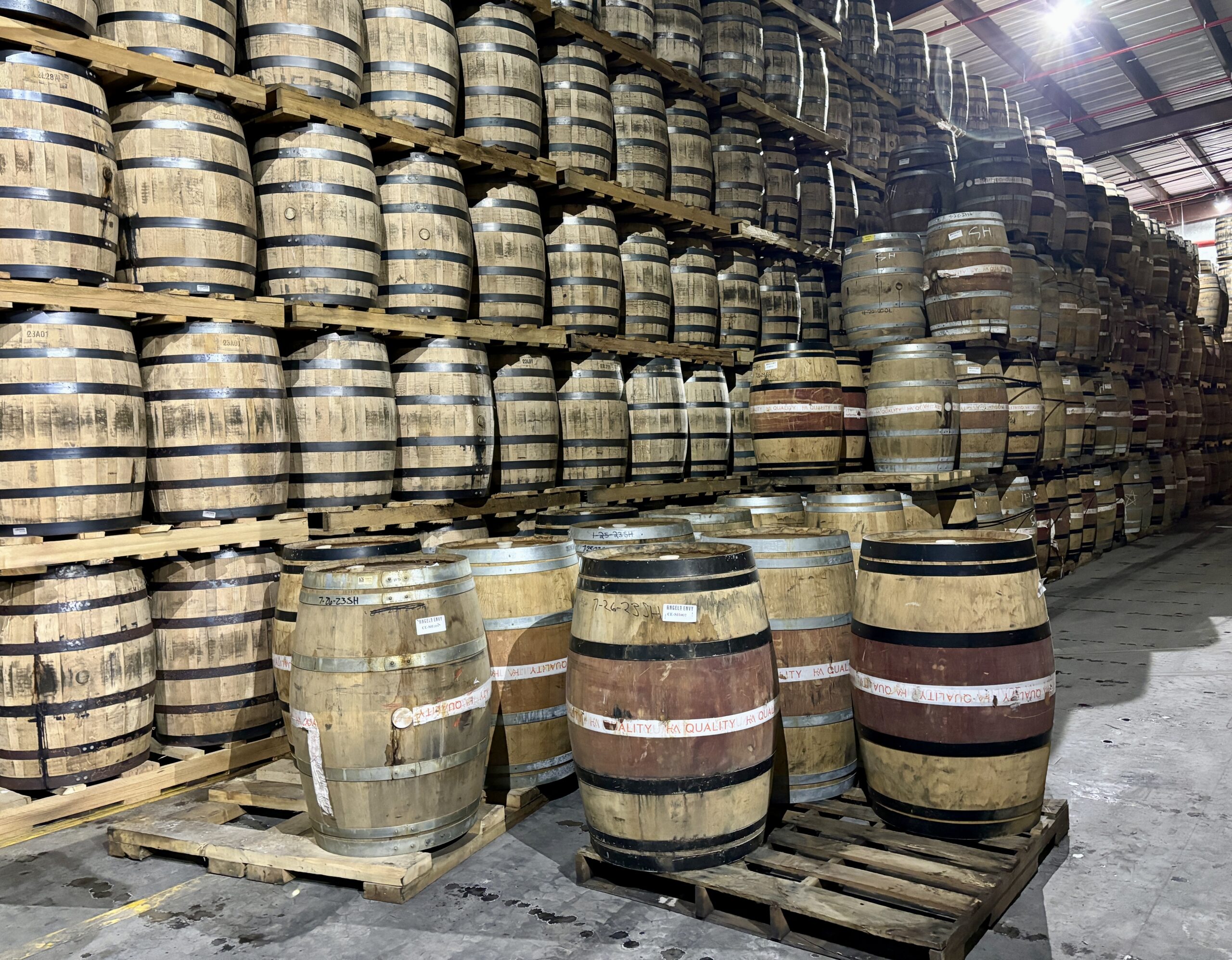
A finished bourbon begins its life like any other bourbon. It is distilled from a grain recipe containing at least 51% corn and aged in a new, charred oak barrel. Once it reaches maturity, however, the whiskey is transferred into a second barrel that previously held another spirit or wine. It is up to the distiller to decide when he or she wants to move the bourbon to a new barrel.
This secondary aging period — known as finishing — can last anywhere from a few months to several years. During that time, the bourbon absorbs additional flavors and aromas from the barrel’s previous contents.
While this might seem like a new trend in bourbon, Scotch has been utilizing the finished barrel for hundreds of years. So you could say we “borrowed” the idea from our fellow whiskey makers.
Popular Types of Barrel Finishes
The possibilities for finishing barrels are nearly endless, but some styles have become particularly popular among bourbon enthusiasts.
PORT BARRELS
Port-finished bourbons often exhibit notes of dark fruit, fig, raisin and berry jam. The sweetness of the fortified wine can complement bourbon’s natural caramel and vanilla characteristics. The popular brand Angel’s Envy uses port barrels for its flagship bourbon.
SHERRY BARRELS
Sherry casks contribute flavors of dried fruits, nuts, chocolate and spice. These finishes often add depth and complexity while maintaining balance. Rabbit Hole‘s Dareringer is a wheated bourbon finished in Pedro Ximénez (PX) sherry casks.
RUM BARRELS
Rum-finished bourbons can bring tropical fruit, brown sugar, molasses and baking spice notes to the whiskey, creating a rich and approachable profile. Bardstown Bourbon Co. has experimented several times with rum barrel finishes, and Angel’s Envy Rye is a decadent rye whiskey that is finished in Caribbean rum barrels.
COGNAC BARRELS
Cognac finishes frequently introduce elegant fruit notes, floral aromas and subtle sweetness that can elevate a bourbon’s complexity. Barton 1792 recently released a Cognac-finished bourbon that is exquisite.
WINE BARRELS
Red and white wine barrels each offer distinct characteristics, ranging from berry-forward flavors and tannins to bright fruit and citrus notes. Some brands, like Bardstown Bourbon Co., partner with a winery and even share the label with the brand. They’ve released wine finishes with The Prisoner, Carter Cellars, Phifer Pavitt and Silver Oak, just to name a few.
TOASTED OR DOUBLE OAKED BARRELS
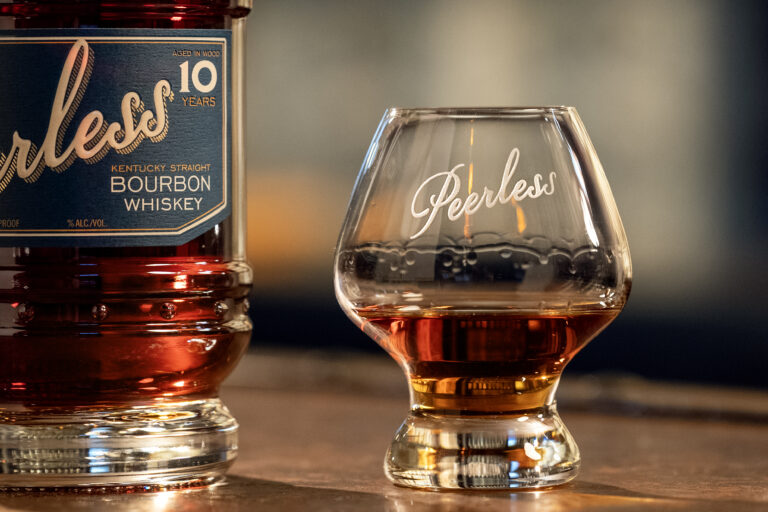
You can finish your fully mature bourbon in a second bourbon barrel, called Double Oaked, for extra oak goodness. Or you can finish it in a proprietary toasted barrel that has been toasted but not charred, giving you even more nuanced sweet oak and caramel notes. Some of the best double oaked and toasted bourbons on the market include Michter’s, Woodford Reserve and Kentucky Peerless. Try any of their special products under this moniker and you won’t be disappointed.
Why Distillers Finish Bourbon
Barrel finishing allows a brand to explore new flavor combinations while still honoring bourbon’s traditional roots. It gives whiskey makers another tool to create unique expressions and showcase creativity.
Finishing can also highlight certain aspects of a bourbon’s character. A robust, high-proof bourbon may soften and become more fruit-forward in a port barrel, while a delicate bourbon may gain richness and depth from a sherry cask.
For consumers, finished bourbons provide an opportunity to experience familiar brands in entirely new ways.
Are Finished Bourbons Better?
Not necessarily. They’re just different.
Some bourbon purists prefer the straightforward expression of a traditionally aged bourbon, believing it best showcases the distiller’s craftsmanship. Others appreciate the added complexity and innovation that finishing can provide.
The beauty of finished bourbon lies in its variety. Whether you enjoy rich fruit notes from a port finish, the dessert-like qualities of a rum finish, or the refined elegance of a cognac finish, there’s likely a finished bourbon that suits your palate.
The Future of Finished Bourbon
As bourbon’s popularity continues to grow, so does experimentation. Distillers are exploring everything from tequila and mezcal barrels to unique wine casks sourced from around the world. While not every experiment becomes a permanent release, these innovations keep the bourbon category fresh and exciting.
At its best, barrel finishing doesn’t mask bourbon’s character, it enhances it. That’s the important thing to remember here. The result is a whiskey that tells two stories: one from the bourbon itself and another from the barrel that helped shape its final chapter.
So the next time you see a finished bourbon on the shelf, consider giving it a try. You may discover a whole new side of America’s native spirit.